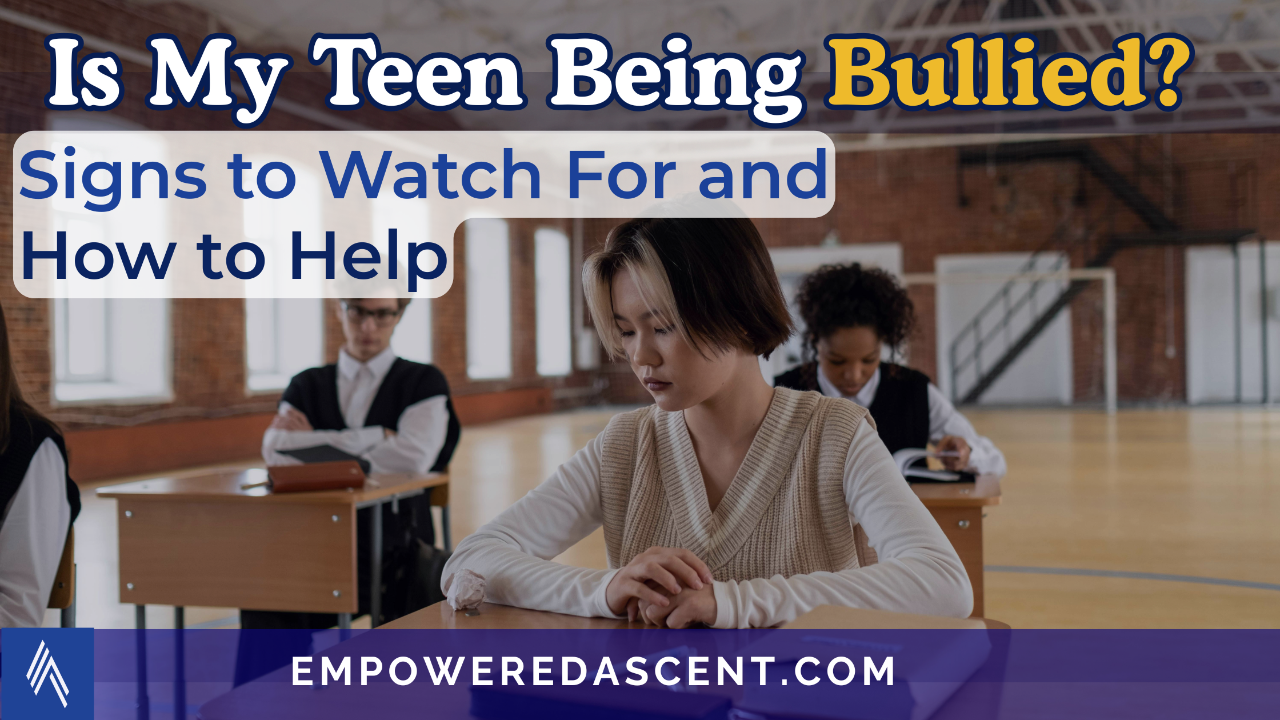
Is My Teen Being Bullied? What Parents Need to Know
Feb 18, 2026Your teen has seemed a bit defeated lately. Their body language is reading less confident, they spend more time alone, and perhaps you’ve picked up on some heightened anxiety surrounding school. If your protective instincts are telling you something's wrong, trust them. This could very well be bullying. Let’s look into how these situations manifest, why teens rarely tell their parents, and how you can support your teen most effectively.

Why They Don’t Tell You
A major reason teens struggle to tell their parents about bullying is shame. Bullies attack their sense of worth and make them feel defective. Unfortunately, when it happens continuously, this can also push them away from seeking help. “Maybe they are right, maybe there is something wrong with me.”
For example, when teen boys are bullied one of the primary targets bullies go for is perceived competence. If your teen boy is being told constantly that they are a “wuss” or other emasculating insults, they might resist help, so as to not ‘prove them right’. To the bullied teen, seeking help from a trusted adult could reinforce the idea that they are weak or incompetent.
Cyber-bullying creates even more potential for shame and resistance to help. The anonymity of the internet allows bullies to attack without reservation, essentially escalating towards more lewd, sexual, and emboldened insults. This can make teens feel deeply embarrassed, afraid to share such filth with their parents.
Of course, as adults we know that getting help isn’t weak at all, and in fact shows strength. But for those who’ve been conditioned by bullying, the reverse can feel true.
Another reason teens hide bullying from their parents is fear of making it worse. They might be afraid their parents will overreact and confront the bully or the bully's parents. This can easily backfire and intensify the bullying long-term if not handled cautiously.

Signs to Watch For
If you suspect your teen is being bullied, here’s a list that can help tighten your assumption:
- Sudden resistance to school
- Isolation from friend groups
- Mood changes (withdrawal, anger, anxiety, deep sadness)
- Unexplained bruises, cuts, or signs of self-harm
- Upset after being online, deleting accounts, hiding phone suddenly
- Declining grades or school performance
One of these in isolation doesn’t necessarily constitute bullying, but multiple signs together should be taken seriously.
How Parents Can Help
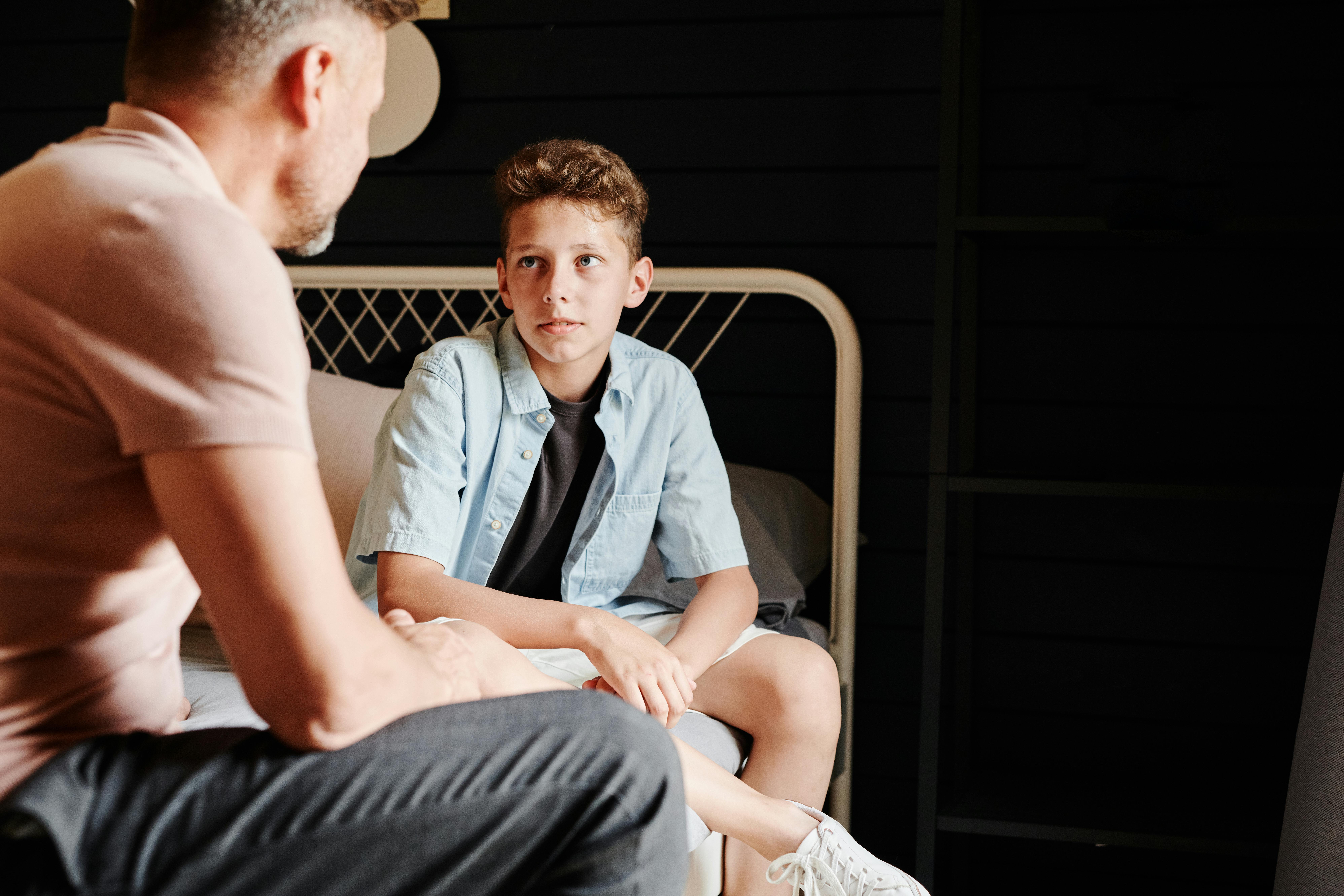
First, it’s best to take some time and talk to your teen about the situation in detail. Although your protective instincts might push you to call the bullies parents, try to spend time understanding what's happening and how they're feeling, and showing compassion and tenderness to your teen.
Minimizing their experience through generalized statements like “life is tough, you have to toughen up.” can have lasting impacts. They need to know that this isn’t about them, it’s about the unresolved and volatile psyche of the bully.
If you maintain this compassionate, non-judgmental approach, you’ll improve the chances that your teen will feel comfortable sharing sensitive information with you in the future.
Next, listen to what they need, and assess the severity of the situation together. The best results usually come from collaborative problem solving. You want your teen to be protected from real danger, while at the same time giving them the autonomy to stand up against oppression. Bullies exist at every level of life, and robbing your teen of the chance to stand up for themselves could backfire in the future, when you aren’t there to protect them.
Coach’s Insights: This is perhaps why the teen years - especially the later teens are so tough for parents to navigate. There’s this delicate balance you have to strike. Too much safety and protection, and your teen becomes a vulnerable and naive adult, incapable of protecting themselves. Too little and they may become emotionally closed off and over cautious, avoiding deeper intimacy and feeling alone.
The key is learning that it’s ok to feel uncomfortable without taking action. If you feel the immediate urge to jump in and “save” your teen, take a moment and sit with the emotion.
Tell yourself: “It’s ok to feel this - It doesn’t mean I have to act on it.”
A lot of overprotection comes down to this inability to relinquish control. You’ve spent the majority of their life being deeply protective (and for good reason), and though they are now nearly an adult and the dynamic has shifted, there's now work on the parent’s end of things to be done. Integrating the role change from protector to collaborator, while handling the inertia of the sudden shift in identity can take time, and focused intent.
Once you've assessed the situation together, decide on next steps collaboratively. If the bullying is physical, threatening, or severely impacting their mental health, involve the school immediately - document everything and work through proper channels (counselor, then administration). If your teen is showing signs of depression, self-harm, or suicidal thoughts, get professional help right away.
For ongoing social or verbal bullying, focus on building their resilience - therapy can help them process the experience, activities outside school can rebuild confidence, and finding communities where they can make new friends and connections can counter the bully’s negative impact.
Ask your teen: "What do you need from me? Do you want me to step in, or do you want to handle this with my support?"
Then respect their answer while keeping them safe.
Further Reading and Resources
Bullying often reveals deeper struggles your teen is facing. These posts can help you support them through related challenges:
- [My Teen Has Social Anxiety: How Parents Can Help] - Bullying and social anxiety often go hand-in-hand. This explores how to help your teen navigate social fears and rebuild confidence.
- [My Teen Won't Talk to Me Anymore: How to Rebuild Communication] - If your teen has been hiding the bullying from you, this shows how to create the kind of relationship where they feel safe sharing their struggles.
- [My Teen Has No Motivation: What's Really Happening (And How to Help)] - Bullying can kill motivation and passion. This post explores how to help your teen find their anchor again.
If you're looking for guidance on building the collaborative relationship where your teen trusts you with difficult situations like bullying, I created a free mini e-book: The 3 Pillars to Rebuild Trust and Communication with Your Teen. It includes frameworks for becoming the parent your teen turns to when they're struggling. You can download it here.
Thank you for showing up for your teen. Until next time.

A Simple Guide to Reconnect With Your Teen
Parenting teens can be confusing, exhausting, and sometimes frustrating — even when you love them more than anything. This free guide breaks down the 3 foundations of trust and communication, with practical exercises and scripts you can use right away to strengthen your relationship.
Instant PDF download. No spam, just helpful guidance.
Author